
Unlocking Online Potential A Comprehensive Digital Marketing for Small Business Websites A Beginners Guide
Hello, this is 12FONT. In this article, we’ll discuss the essential strategies and foundational elements that make up effective Digital Marketing for Small Business Websites: A Beginner's Guide. In today's hyperconnected world, having a presence online is no longer an option but a fundamental necessity for any small business looking to thrive. Gone are the days when a storefront and wordofmouth were sufficient. Now, your digital footprint, starting with your website, is often the first impression customers have of your brand. Understanding how to leverage various digital marketing channels can significantly impact your growth, customer acquisition, and overall success. This guide aims to demystify the process and provide clear, actionable insights for those just starting out.
At the heart of any successful online strategy is a robust and functional website. Think of your website as your 24/7 digital storefront, a central hub where all your marketing efforts converge. This is why careful website design is paramount. It needs to be visually appealing, easy to navigate, and provide a seamless user experience. Crucially, in an era dominated by mobile devices, having a responsive website is nonnegotiable. A responsive website automatically adjusts its layout and content to fit any screen size, whether it's a desktop computer, a tablet, or a smartphone, ensuring that potential customers always have a positive interaction with your brand, regardless of how they access your site. Without a solid website design foundation, even the most brilliant digital marketing campaigns may fall short.
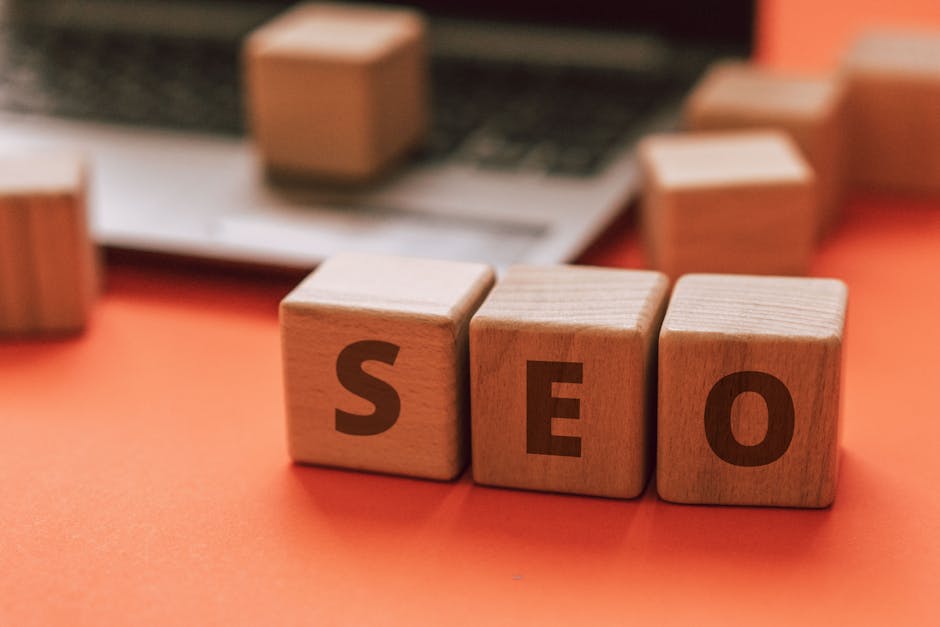
One of the most powerful components of Digital Marketing for Small Business Websites: A Beginner's Guide is Search Engine Optimization, or SEO. This involves optimizing your website to rank higher in search engine results like Google. When potential customers search for products or services you offer, you want your business to appear prominently. SEO encompasses various techniques, from selecting the right keywords that your target audience uses, to optimizing your website's technical structure and creating highquality, relevant content. Local SEO is particularly vital for small businesses, focusing on optimizing your online presence to attract customers in your specific geographic area. A welloptimized site means more organic traffic, which translates into more leads and sales, making SEO an indispensable part of your digital marketing toolkit.
Another critical element to master within Digital Marketing for Small Business Websites: A Beginner's Guide is content marketing. This involves creating and distributing valuable, relevant, and consistent content to attract and retain a clearly defined audience—and, ultimately, to drive profitable customer action. This could include blog posts, articles, videos, infographics, and more, all designed to answer your customers' questions, solve their problems, or entertain them. Quality content not only establishes your business as an authority in its niche but also provides valuable material for your SEO efforts and social media campaigns, driving traffic back to your wellcrafted website design. The goal is to provide value, build trust, and subtly guide prospects towards your offerings.
Social media marketing also plays a significant role in modern Digital Marketing for Small Business Websites: A Beginner's Guide. Platforms like Facebook, Instagram, LinkedIn, and Twitter offer incredible opportunities to connect directly with your target audience, build community, and promote your brand. The key is to choose the platforms where your audience spends most of their time and to engage authentically. Share your content, interact with comments, run polls, and tell your brand's story. Social media can drive significant traffic back to your website, boost brand awareness, and foster customer loyalty. Remember, consistent engagement and relevant content are far more effective than sporadic promotional posts.
Email marketing remains one of the most costeffective and powerful tools for small businesses. Building an email list allows you to communicate directly with interested prospects and existing customers. Through newsletters, promotional offers, updates, and personalized messages, you can nurture leads, encourage repeat purchases, and build lasting relationships. An effective email marketing strategy often begins with an enticing offer on your website, encouraging visitors to sign up. This direct line of communication is invaluable for conversion and retention, complementing all other aspects of your Digital Marketing for Small Business Websites: A Beginner's Guide.
For those looking for faster results or to supplement their organic efforts, paid advertising, such as PayPerClick (PPC) campaigns on Google Ads or social media advertising, can be incredibly effective. PPC allows you to target specific demographics, interests, and keywords, ensuring your ads are seen by the most relevant audience. While it requires a budget, the ability to control spending and measure immediate results makes it a valuable part of a comprehensive Digital Marketing for Small Business Websites: A Beginner's Guide. It can provide immediate visibility while your SEO efforts build momentum, driving instant traffic to your responsive website.
Reiterating the importance of your online presence, it is impossible to overstate the impact of highquality website design. Your website is the linchpin of your entire digital marketing strategy. A poorly designed site, one that is slow to load, difficult to navigate, or not mobilefriendly, can negate all your marketing efforts, driving potential customers away before they even get a chance to learn about your business. This is why investing in a professional and functional responsive website is not an expense but an essential investment in your business's future. It establishes credibility, professionalism, and provides a smooth path for customer conversion.
For many small businesses, the question arises: should I tackle this all myself or hire a professional? While some aspects of Digital Marketing for Small Business Websites: A Beginner's Guide can be learned and implemented inhouse, especially in the early stages, there comes a point where expert help becomes invaluable. A specialized web agency can offer unparalleled expertise in website design, SEO, content creation, and overall digital strategy. They have the tools, experience, and manpower to execute sophisticated campaigns that can be timeconsuming and complex for a small business owner. Partnering with a reputable web agency can accelerate your growth, ensure best practices are followed, and free up your time to focus on other core aspects of your business. They can provide strategic insights and technical prowess, ensuring your responsive website is performing optimally and your marketing budget is spent wisely.
Finally, Digital Marketing for Small Business Websites: A Beginner's Guide is an ongoing process, not a onetime setup. It requires continuous monitoring, analysis, and adaptation. Utilizing tools like Google Analytics, you can track website traffic, user behavior, conversion rates, and the effectiveness of your various marketing channels. This data is crucial for understanding what's working, what isn't, and where adjustments need to be made. The digital landscape is constantly evolving, so staying informed and agile is key to sustained success. Regularly reviewing your website design, content, and marketing campaigns will help ensure you remain competitive.
In conclusion, implementing a robust Digital Marketing for Small Business Websites: A Beginner's Guide is no longer optional; it's fundamental for success. By focusing on a strong website design, ensuring your site is a responsive website, and strategically utilizing SEO, content, social media, email marketing, and potentially paid ads, small businesses can effectively compete and thrive in the digital age. Whether you choose to implement these strategies yourself or partner with a specialized web agency, the journey into digital marketing is one that promises significant returns for your business. Start today, and watch your online presence grow into a powerful asset.
At the heart of any successful online strategy is a robust and functional website. Think of your website as your 24/7 digital storefront, a central hub where all your marketing efforts converge. This is why careful website design is paramount. It needs to be visually appealing, easy to navigate, and provide a seamless user experience. Crucially, in an era dominated by mobile devices, having a responsive website is nonnegotiable. A responsive website automatically adjusts its layout and content to fit any screen size, whether it's a desktop computer, a tablet, or a smartphone, ensuring that potential customers always have a positive interaction with your brand, regardless of how they access your site. Without a solid website design foundation, even the most brilliant digital marketing campaigns may fall short.
One of the most powerful components of Digital Marketing for Small Business Websites: A Beginner's Guide is Search Engine Optimization, or SEO. This involves optimizing your website to rank higher in search engine results like Google. When potential customers search for products or services you offer, you want your business to appear prominently. SEO encompasses various techniques, from selecting the right keywords that your target audience uses, to optimizing your website's technical structure and creating highquality, relevant content. Local SEO is particularly vital for small businesses, focusing on optimizing your online presence to attract customers in your specific geographic area. A welloptimized site means more organic traffic, which translates into more leads and sales, making SEO an indispensable part of your digital marketing toolkit.
Another critical element to master within Digital Marketing for Small Business Websites: A Beginner's Guide is content marketing. This involves creating and distributing valuable, relevant, and consistent content to attract and retain a clearly defined audience—and, ultimately, to drive profitable customer action. This could include blog posts, articles, videos, infographics, and more, all designed to answer your customers' questions, solve their problems, or entertain them. Quality content not only establishes your business as an authority in its niche but also provides valuable material for your SEO efforts and social media campaigns, driving traffic back to your wellcrafted website design. The goal is to provide value, build trust, and subtly guide prospects towards your offerings.
Social media marketing also plays a significant role in modern Digital Marketing for Small Business Websites: A Beginner's Guide. Platforms like Facebook, Instagram, LinkedIn, and Twitter offer incredible opportunities to connect directly with your target audience, build community, and promote your brand. The key is to choose the platforms where your audience spends most of their time and to engage authentically. Share your content, interact with comments, run polls, and tell your brand's story. Social media can drive significant traffic back to your website, boost brand awareness, and foster customer loyalty. Remember, consistent engagement and relevant content are far more effective than sporadic promotional posts.
Email marketing remains one of the most costeffective and powerful tools for small businesses. Building an email list allows you to communicate directly with interested prospects and existing customers. Through newsletters, promotional offers, updates, and personalized messages, you can nurture leads, encourage repeat purchases, and build lasting relationships. An effective email marketing strategy often begins with an enticing offer on your website, encouraging visitors to sign up. This direct line of communication is invaluable for conversion and retention, complementing all other aspects of your Digital Marketing for Small Business Websites: A Beginner's Guide.
For those looking for faster results or to supplement their organic efforts, paid advertising, such as PayPerClick (PPC) campaigns on Google Ads or social media advertising, can be incredibly effective. PPC allows you to target specific demographics, interests, and keywords, ensuring your ads are seen by the most relevant audience. While it requires a budget, the ability to control spending and measure immediate results makes it a valuable part of a comprehensive Digital Marketing for Small Business Websites: A Beginner's Guide. It can provide immediate visibility while your SEO efforts build momentum, driving instant traffic to your responsive website.
Reiterating the importance of your online presence, it is impossible to overstate the impact of highquality website design. Your website is the linchpin of your entire digital marketing strategy. A poorly designed site, one that is slow to load, difficult to navigate, or not mobilefriendly, can negate all your marketing efforts, driving potential customers away before they even get a chance to learn about your business. This is why investing in a professional and functional responsive website is not an expense but an essential investment in your business's future. It establishes credibility, professionalism, and provides a smooth path for customer conversion.
For many small businesses, the question arises: should I tackle this all myself or hire a professional? While some aspects of Digital Marketing for Small Business Websites: A Beginner's Guide can be learned and implemented inhouse, especially in the early stages, there comes a point where expert help becomes invaluable. A specialized web agency can offer unparalleled expertise in website design, SEO, content creation, and overall digital strategy. They have the tools, experience, and manpower to execute sophisticated campaigns that can be timeconsuming and complex for a small business owner. Partnering with a reputable web agency can accelerate your growth, ensure best practices are followed, and free up your time to focus on other core aspects of your business. They can provide strategic insights and technical prowess, ensuring your responsive website is performing optimally and your marketing budget is spent wisely.
Finally, Digital Marketing for Small Business Websites: A Beginner's Guide is an ongoing process, not a onetime setup. It requires continuous monitoring, analysis, and adaptation. Utilizing tools like Google Analytics, you can track website traffic, user behavior, conversion rates, and the effectiveness of your various marketing channels. This data is crucial for understanding what's working, what isn't, and where adjustments need to be made. The digital landscape is constantly evolving, so staying informed and agile is key to sustained success. Regularly reviewing your website design, content, and marketing campaigns will help ensure you remain competitive.
In conclusion, implementing a robust Digital Marketing for Small Business Websites: A Beginner's Guide is no longer optional; it's fundamental for success. By focusing on a strong website design, ensuring your site is a responsive website, and strategically utilizing SEO, content, social media, email marketing, and potentially paid ads, small businesses can effectively compete and thrive in the digital age. Whether you choose to implement these strategies yourself or partner with a specialized web agency, the journey into digital marketing is one that promises significant returns for your business. Start today, and watch your online presence grow into a powerful asset.