
Mastering Online Presence Digital Marketing for Small Business Websites A Beginners Guide to Growth
Hello, this is 12FONT. In this article, we’ll discuss the critical strategies involved in Digital Marketing for Small Business Websites: A Beginner's Guide to establishing and expanding your online presence. For any small business looking to thrive in today's interconnected world, understanding and implementing effective digital marketing is no longer optional; it's essential. The digital landscape offers unparalleled opportunities for growth, visibility, and direct engagement with your target audience, making it a powerful tool for businesses of all sizes to truly flourish.
Small businesses often operate with limited budgets and resources, making every marketing dollar count. Traditional advertising can be expensive and hard to measure, whereas digital marketing offers targeted, costeffective, and measurable approaches. It allows you to reach potential customers precisely where they spend most of their time: online. From local search to social media, a wellexecuted strategy can level the playing field, enabling even the smallest ventures to compete with larger corporations. This comprehensive guide will serve as your essential Digital Marketing for Small Business Websites: A Beginner's Guide, helping you demystify the process and build a solid foundation for your online success.
Before diving into specific marketing tactics, let's address the absolute foundation: your business website. Your website is your digital storefront, the central hub of all your online activities. A professional and functional website design is paramount. It needs to be visually appealing, intuitive to navigate, and clearly convey your brand's message, unique selling propositions, and offerings. More importantly, it must be a responsive website, meaning its layout and content adapt seamlessly to any screen size, whether it's a large desktop monitor, a tablet, or a compact smartphone. Search engines like Google prioritize mobilefriendly sites, and modern users expect a consistent, effortless experience across all their devices. Investing in quality website design from the outset, or consulting a reputable web agency, ensures your digital home is welcoming, functional, and effective for all potential visitors. Without a strong, responsive website, even the most brilliant digital marketing efforts will struggle to convert leads into loyal customers.
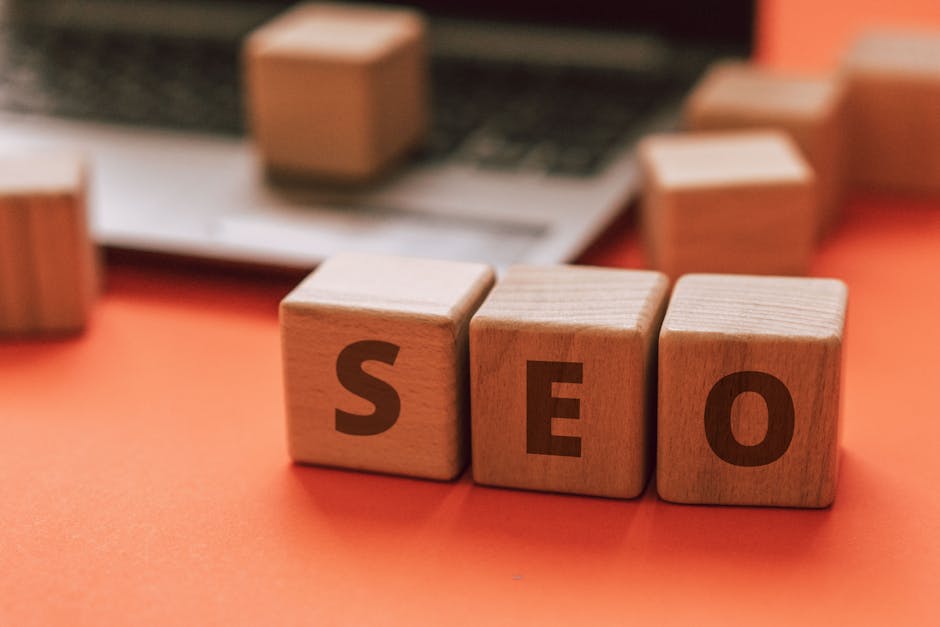
Two crucial components of any successful Digital Marketing for Small Business Websites: A Beginner's Guide strategy are Search Engine Optimization (SEO) and Content Marketing. SEO involves optimizing your website to rank higher in search engine results, making it significantly easier for potential customers to find you organically when they search for relevant products or services. This includes strategic use of relevant keywords, optimizing your site's technical structure, ensuring fast page loading times, and building quality backlinks – all aspects that can be significantly influenced by excellent website design. Content marketing, on the other hand, focuses on creating and consistently distributing valuable, relevant, and engaging content to attract and retain a clearly defined audience. This could manifest as insightful blog posts, informative articles, engaging videos, helpful guides, or compelling infographics that effectively answer your customers' questions and establish your authority and expertise within your niche. A skilled web agency specializing in SEO can help identify the most effective keywords and content strategies tailored specifically for your business.
Beyond search engines, social media platforms offer immense opportunities for small businesses to connect and engage. Developing a robust social media marketing strategy involves identifying exactly where your target audience spends their time online and actively engaging with them on those platforms. This isn't merely about posting promotional material; it's fundamentally about building a vibrant community, sharing valuable insights, offering support, and fostering deep brand loyalty. Similarly, email marketing remains one of the most powerful and costeffective ways to nurture leads, drive repeat business, and retain existing customers. Building an email list allows you to communicate directly with interested individuals, offering exclusive content, special promotions, important updates, and personalized messages. Both social media and email marketing benefit significantly from clear, compelling calls to action that direct users back to your main website, reinforcing the critical importance of your website design and its overall user experience. Remember, having a responsive website is absolutely key to ensuring a smooth, frictionless transition for these potential customers from an email or social post to your conversionready site.
While organic growth through diligent SEO and valuable content creation is vital for longterm sustainability, paid advertising, such as Google Ads or targeted social media ads (often referred to as PPC or PayPerClick), can provide immediate visibility and drive highly targeted traffic. These carefully crafted campaigns allow you to reach specific demographics, geographic locations, and interest groups with remarkable precision, making them highly efficient for small businesses aiming for quick results. However, careful budget management, continuous monitoring, and ongoing optimization are absolutely critical to success in paid advertising. This is precisely where analytics come into play. Tracking your website traffic, understanding user behavior, monitoring conversion rates, and analyzing campaign performance is indispensable. Tools like Google Analytics provide profound insights into how users interact with your site, helping you refine your overall Digital Marketing for Small Business Websites: A Beginner's Guide strategy. Understanding these crucial metrics empowers you to see exactly what’s working, identify what isn’t, and make informed decisions to improve your website design or ad targeting for demonstrably better results and a higher return on investment. A professional web agency can offer invaluable assistance in setting up, configuring, and expertly interpreting these oftencomplex analytical tools.
Implementing a successful digital marketing strategy for your small business website is an ongoing, dynamic process that requires patience, consistency, and a willingness to adapt. It’s fundamentally about building a strong, authoritative online presence, centered around an effective and aesthetically pleasing website design, ensuring it's a fully responsive website across all devices, and then consistently driving targeted traffic while actively engaging with your audience. Don't feel overwhelmed; instead, be pragmatic and consider starting small, focusing initially on one or two digital channels that align best with your immediate business goals and resources. As you gain valuable experience and begin to see positive results, you can gradually expand your efforts and explore additional avenues. If the comprehensive task of digital marketing seems daunting or beyond your current capabilities, remember that professional help is readily available. Partnering with a skilled and experienced web agency can provide the specialized expertise, advanced tools, and strategic guidance needed to navigate the complexities of Digital Marketing for Small Business Websites: A Beginner's Guide, ultimately helping you achieve sustainable online growth and ensuring your small business not only survives but truly flourishes in the competitive digital age.
Digital Marketing for Small Business Websites: A Beginner's Guide is an essential topic for digital growth.
Small businesses often operate with limited budgets and resources, making every marketing dollar count. Traditional advertising can be expensive and hard to measure, whereas digital marketing offers targeted, costeffective, and measurable approaches. It allows you to reach potential customers precisely where they spend most of their time: online. From local search to social media, a wellexecuted strategy can level the playing field, enabling even the smallest ventures to compete with larger corporations. This comprehensive guide will serve as your essential Digital Marketing for Small Business Websites: A Beginner's Guide, helping you demystify the process and build a solid foundation for your online success.
Before diving into specific marketing tactics, let's address the absolute foundation: your business website. Your website is your digital storefront, the central hub of all your online activities. A professional and functional website design is paramount. It needs to be visually appealing, intuitive to navigate, and clearly convey your brand's message, unique selling propositions, and offerings. More importantly, it must be a responsive website, meaning its layout and content adapt seamlessly to any screen size, whether it's a large desktop monitor, a tablet, or a compact smartphone. Search engines like Google prioritize mobilefriendly sites, and modern users expect a consistent, effortless experience across all their devices. Investing in quality website design from the outset, or consulting a reputable web agency, ensures your digital home is welcoming, functional, and effective for all potential visitors. Without a strong, responsive website, even the most brilliant digital marketing efforts will struggle to convert leads into loyal customers.
Two crucial components of any successful Digital Marketing for Small Business Websites: A Beginner's Guide strategy are Search Engine Optimization (SEO) and Content Marketing. SEO involves optimizing your website to rank higher in search engine results, making it significantly easier for potential customers to find you organically when they search for relevant products or services. This includes strategic use of relevant keywords, optimizing your site's technical structure, ensuring fast page loading times, and building quality backlinks – all aspects that can be significantly influenced by excellent website design. Content marketing, on the other hand, focuses on creating and consistently distributing valuable, relevant, and engaging content to attract and retain a clearly defined audience. This could manifest as insightful blog posts, informative articles, engaging videos, helpful guides, or compelling infographics that effectively answer your customers' questions and establish your authority and expertise within your niche. A skilled web agency specializing in SEO can help identify the most effective keywords and content strategies tailored specifically for your business.
Beyond search engines, social media platforms offer immense opportunities for small businesses to connect and engage. Developing a robust social media marketing strategy involves identifying exactly where your target audience spends their time online and actively engaging with them on those platforms. This isn't merely about posting promotional material; it's fundamentally about building a vibrant community, sharing valuable insights, offering support, and fostering deep brand loyalty. Similarly, email marketing remains one of the most powerful and costeffective ways to nurture leads, drive repeat business, and retain existing customers. Building an email list allows you to communicate directly with interested individuals, offering exclusive content, special promotions, important updates, and personalized messages. Both social media and email marketing benefit significantly from clear, compelling calls to action that direct users back to your main website, reinforcing the critical importance of your website design and its overall user experience. Remember, having a responsive website is absolutely key to ensuring a smooth, frictionless transition for these potential customers from an email or social post to your conversionready site.
While organic growth through diligent SEO and valuable content creation is vital for longterm sustainability, paid advertising, such as Google Ads or targeted social media ads (often referred to as PPC or PayPerClick), can provide immediate visibility and drive highly targeted traffic. These carefully crafted campaigns allow you to reach specific demographics, geographic locations, and interest groups with remarkable precision, making them highly efficient for small businesses aiming for quick results. However, careful budget management, continuous monitoring, and ongoing optimization are absolutely critical to success in paid advertising. This is precisely where analytics come into play. Tracking your website traffic, understanding user behavior, monitoring conversion rates, and analyzing campaign performance is indispensable. Tools like Google Analytics provide profound insights into how users interact with your site, helping you refine your overall Digital Marketing for Small Business Websites: A Beginner's Guide strategy. Understanding these crucial metrics empowers you to see exactly what’s working, identify what isn’t, and make informed decisions to improve your website design or ad targeting for demonstrably better results and a higher return on investment. A professional web agency can offer invaluable assistance in setting up, configuring, and expertly interpreting these oftencomplex analytical tools.
Implementing a successful digital marketing strategy for your small business website is an ongoing, dynamic process that requires patience, consistency, and a willingness to adapt. It’s fundamentally about building a strong, authoritative online presence, centered around an effective and aesthetically pleasing website design, ensuring it's a fully responsive website across all devices, and then consistently driving targeted traffic while actively engaging with your audience. Don't feel overwhelmed; instead, be pragmatic and consider starting small, focusing initially on one or two digital channels that align best with your immediate business goals and resources. As you gain valuable experience and begin to see positive results, you can gradually expand your efforts and explore additional avenues. If the comprehensive task of digital marketing seems daunting or beyond your current capabilities, remember that professional help is readily available. Partnering with a skilled and experienced web agency can provide the specialized expertise, advanced tools, and strategic guidance needed to navigate the complexities of Digital Marketing for Small Business Websites: A Beginner's Guide, ultimately helping you achieve sustainable online growth and ensuring your small business not only survives but truly flourishes in the competitive digital age.
Digital Marketing for Small Business Websites: A Beginner's Guide is an essential topic for digital growth.