
Unlocking Success with Exceptional Real estate website design A Comprehensive Guide
Hello, this is 12FONT. In this article, we’ll discuss the critical importance of effective Real estate website design in today's competitive digital landscape. For real estate professionals, a compelling online presence is no longer a luxury; it's an absolute necessity. The internet is often the first point of contact for potential buyers and sellers, making your website an indispensable tool for lead generation, client engagement, and establishing your brand's credibility.
The unique demands of the real estate industry require a specialized approach to website design. Unlike a standard corporate site, Real estate website design must seamlessly blend highquality visuals, sophisticated search functionalities, and intuitive user experiences. It’s about more than just showcasing properties; it’s about telling a story, building trust, and facilitating a smooth journey for users whether they are firsttime homebuyers or seasoned investors. A professional Real estate website design helps convey expertise and reliability, distinguishing your agency from the competition.
One of the foundational pillars of outstanding Real estate website design is an unparalleled user experience, or UX. This means that navigation should be effortless, information should be readily accessible, and the overall design should feel clean and uncluttered. Potential clients often browse multiple listings across various platforms, and a confusing or slow website will quickly drive them away. Highresolution photos and immersive virtual tours are paramount. People want to visualize themselves in a property, and a wellexecuted Real estate website design will prioritize visual storytelling. Beyond just aesthetics, the underlying functionality, such as advanced search filters for price, location, property type, and amenities, is crucial. Integrating interactive maps also enhances the user experience, allowing prospective buyers to explore neighborhoods and commute times directly from your website.
Furthermore, a truly effective Real estate website design must be a responsive website. In an age where mobile devices account for a significant portion of web traffic, your website must adapt flawlessly to any screen size, from desktops to tablets and smartphones. A responsive website ensures that users have a consistent and positive experience, regardless of how they access your site. Google also favors responsive websites in its search rankings, making it a vital component for search engine optimization (SEO) and driving organic traffic. Failing to provide a responsive website means alienating a large segment of your potential clientele and losing out on valuable leads. This mobilefirst approach is not merely a trend; it's an industry standard for any modern website design, especially within real estate.
Beyond the aesthetics and user experience, the technical backbone of your Real estate website design is equally important. This includes fast loading times, robust security measures, and a scalable architecture that can accommodate growth and new features. A slow website frustrates users and negatively impacts SEO. Meanwhile, strong security protocols protect sensitive client data and build trust. When considering a comprehensive website design, particularly for real estate, these backend considerations are just as vital as the frontend presentation.
Choosing the right web agency to bring your vision to life is perhaps the most critical decision. Not all web agencies possess the specific expertise required for successful Real estate website design. Look for a web agency with a proven track record in the real estate sector, one that understands the nuances of MLS integration, lead capture strategies, and the visual demands of property marketing. A good web agency will not just build a website; they will partner with you to understand your business goals and translate them into a digital strategy. They should be able to demonstrate an understanding of current real estate trends, digital marketing strategies, and the technical requirements for creating a highperforming responsive website.
A reputable web agency will discuss ongoing maintenance and support, ensuring your Real estate website design remains current, secure, and fully functional. The digital landscape is constantly evolving, and your website should evolve with it. Regular updates, security patches, and performance optimizations are essential for longterm success. Moreover, an effective Real estate website design strategy often includes integrated content marketing elements, such as a blog featuring local market insights, community guides, and agent profiles, all contributing to your agency's authority and search engine visibility. This holistic approach to website design, where content and functionality work handinhand, is what truly sets leading real estate agencies apart.
In conclusion, investing in professional Real estate website design is not just about having an online presence; it’s about creating a powerful digital asset that drives business growth. From ensuring a seamless user experience and being a truly responsive website, to integrating advanced search capabilities and partnering with an experienced web agency, every element plays a crucial role. A wellexecuted Real estate website design is a 24/7 salesperson, a comprehensive marketing tool, and a trusted resource for your clients. Prioritize expert website design to stand out in a crowded market and achieve lasting success.
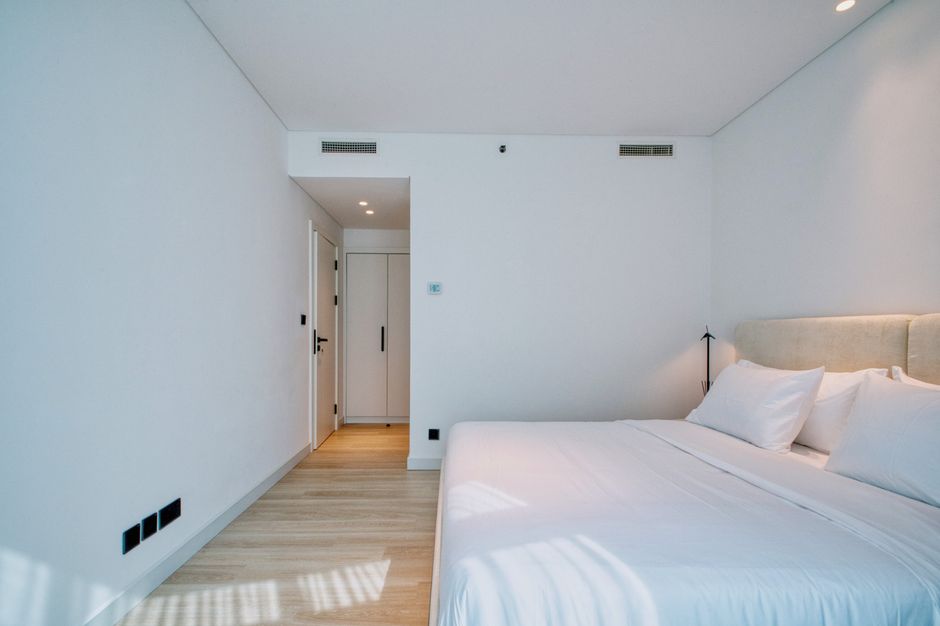
The unique demands of the real estate industry require a specialized approach to website design. Unlike a standard corporate site, Real estate website design must seamlessly blend highquality visuals, sophisticated search functionalities, and intuitive user experiences. It’s about more than just showcasing properties; it’s about telling a story, building trust, and facilitating a smooth journey for users whether they are firsttime homebuyers or seasoned investors. A professional Real estate website design helps convey expertise and reliability, distinguishing your agency from the competition.
One of the foundational pillars of outstanding Real estate website design is an unparalleled user experience, or UX. This means that navigation should be effortless, information should be readily accessible, and the overall design should feel clean and uncluttered. Potential clients often browse multiple listings across various platforms, and a confusing or slow website will quickly drive them away. Highresolution photos and immersive virtual tours are paramount. People want to visualize themselves in a property, and a wellexecuted Real estate website design will prioritize visual storytelling. Beyond just aesthetics, the underlying functionality, such as advanced search filters for price, location, property type, and amenities, is crucial. Integrating interactive maps also enhances the user experience, allowing prospective buyers to explore neighborhoods and commute times directly from your website.
Furthermore, a truly effective Real estate website design must be a responsive website. In an age where mobile devices account for a significant portion of web traffic, your website must adapt flawlessly to any screen size, from desktops to tablets and smartphones. A responsive website ensures that users have a consistent and positive experience, regardless of how they access your site. Google also favors responsive websites in its search rankings, making it a vital component for search engine optimization (SEO) and driving organic traffic. Failing to provide a responsive website means alienating a large segment of your potential clientele and losing out on valuable leads. This mobilefirst approach is not merely a trend; it's an industry standard for any modern website design, especially within real estate.
Beyond the aesthetics and user experience, the technical backbone of your Real estate website design is equally important. This includes fast loading times, robust security measures, and a scalable architecture that can accommodate growth and new features. A slow website frustrates users and negatively impacts SEO. Meanwhile, strong security protocols protect sensitive client data and build trust. When considering a comprehensive website design, particularly for real estate, these backend considerations are just as vital as the frontend presentation.
Choosing the right web agency to bring your vision to life is perhaps the most critical decision. Not all web agencies possess the specific expertise required for successful Real estate website design. Look for a web agency with a proven track record in the real estate sector, one that understands the nuances of MLS integration, lead capture strategies, and the visual demands of property marketing. A good web agency will not just build a website; they will partner with you to understand your business goals and translate them into a digital strategy. They should be able to demonstrate an understanding of current real estate trends, digital marketing strategies, and the technical requirements for creating a highperforming responsive website.
A reputable web agency will discuss ongoing maintenance and support, ensuring your Real estate website design remains current, secure, and fully functional. The digital landscape is constantly evolving, and your website should evolve with it. Regular updates, security patches, and performance optimizations are essential for longterm success. Moreover, an effective Real estate website design strategy often includes integrated content marketing elements, such as a blog featuring local market insights, community guides, and agent profiles, all contributing to your agency's authority and search engine visibility. This holistic approach to website design, where content and functionality work handinhand, is what truly sets leading real estate agencies apart.
In conclusion, investing in professional Real estate website design is not just about having an online presence; it’s about creating a powerful digital asset that drives business growth. From ensuring a seamless user experience and being a truly responsive website, to integrating advanced search capabilities and partnering with an experienced web agency, every element plays a crucial role. A wellexecuted Real estate website design is a 24/7 salesperson, a comprehensive marketing tool, and a trusted resource for your clients. Prioritize expert website design to stand out in a crowded market and achieve lasting success.