Unveiling the Essentials for Compelling Modern Website Layout Ideas That Convert
Hello, this is 12FONT. In this article, we’ll discuss the everevolving landscape of modern website layout ideas and how they shape the user experience, brand perception, and ultimately, business success. In today's highly visual and digitally saturated world, having a wellthoughtout and engaging online presence is not just a luxury but a fundamental necessity. The way information is presented, navigated, and absorbed by visitors directly impacts their willingness to stay, explore, and convert. This makes understanding the core principles and current trends in website design absolutely critical for any individual or business looking to make a significant impact online.
One of the foundational pillars of effective modern website layout ideas is a deep commitment to user experience, often abbreviated as UX. This goes beyond mere aesthetics; it delves into how intuitive, efficient, and pleasurable a website is to use. A welldesigned layout guides the user's eye, prioritizes key information, and simplifies complex processes. This involves strategic use of whitespace to reduce clutter and improve readability, creating a clear visual hierarchy that helps visitors quickly identify important elements, and ensuring that calls to action are prominent and unambiguous. Without a strong focus on UX, even the most visually appealing website design will fall short of its potential.
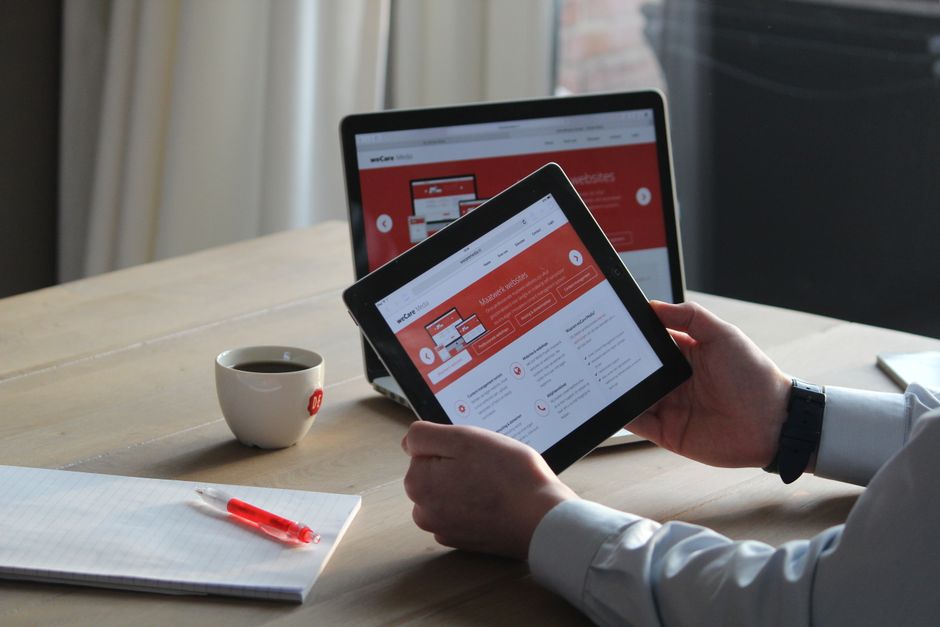
Another crucial element in contemporary website design is responsiveness. The proliferation of devices, from large desktop monitors to tablets and smartphones of various sizes, means that a static layout is simply no longer viable. A truly modern website layout ideas approach embraces flexibility, adapting seamlessly to different screen dimensions and orientations. This means building a responsive website from the ground up, ensuring that images scale correctly, text remains legible, and interactive elements are easily tappable or clickable regardless of the device being used. A responsive website is not just about accommodating different screens; it's about providing a consistent, highquality experience across all touchpoints, which is vital for reaching a broader audience and maintaining engagement. Ignoring the need for a truly responsive website often leads to frustrating user experiences and missed opportunities.
When exploring specific modern website layout ideas, several trends stand out. Gridbased layouts, for instance, offer a structured yet flexible framework, allowing for dynamic arrangements of content blocks, images, and text. These can range from traditional symmetrical grids to more adventurous, asymmetrical designs that inject personality and visual interest. Cardbased layouts, popularized by platforms like Pinterest, provide easily digestible chunks of information that work exceptionally well on various screen sizes and are intuitive for users to scan. Fullwidth hero sections featuring captivating imagery or video are another popular choice, immediately grabbing attention and setting the tone for the entire site. These elements are not merely aesthetic choices; they are strategic decisions that enhance the overall website design and user interaction.
The strategic integration of interactive elements also plays a significant role in modern website layout ideas. Subtle animations, parallax scrolling effects, and microinteractions – small visual feedbacks to user actions – can elevate the user experience from passive viewing to active engagement. These elements, when used judiciously, can add polish and professionalism to a website design without overwhelming the user or hindering performance. The goal is to create a dynamic environment that feels alive and responsive, encouraging deeper exploration and interaction. This requires careful planning and implementation to ensure these features enhance, rather than detract from, usability.
Typography is another powerful tool in the arsenal of modern website layout ideas. Beyond simply choosing readable fonts, contemporary design often uses typography as a primary visual element, employing large, bold headlines, unique font pairings, and thoughtful line spacing to create visual interest and guide the narrative. Paired with minimalist aesthetics and ample whitespace, strong typography can make a profound statement, conveying brand personality and enhancing the overall clarity of the message. The art of effective website design considers every detail, and typography is certainly no exception.
For businesses looking to implement these sophisticated modern website layout ideas, partnering with a professional web agency can be incredibly beneficial. A skilled web agency brings expertise in not only current design trends but also in the underlying technology and best practices for search engine optimization and user conversion. They can translate a client's vision into a tangible, highperforming website, ensuring that all aspects of website design, from the visual aesthetics to the backend functionality, are executed flawlessly. Moreover, a dedicated web agency will prioritize creating a truly responsive website, capable of delivering optimal performance across all devices and browsers, which is a complex task requiring specialized knowledge.
Furthermore, a professional web agency understands the importance of accessibility in modern website design. Ensuring that a website is usable by individuals with disabilities, through features like proper alt text for images, keyboard navigation, and adequate color contrast, is not just a matter of compliance but also a commitment to inclusivity. These considerations are integral to the best modern website layout ideas and contribute significantly to a broader audience reach and an enhanced brand reputation. An agency can navigate these requirements, creating a site that is not only beautiful and functional but also accessible to everyone.
In conclusion, embracing modern website layout ideas is essential for any entity aiming for a robust and impactful online presence. From prioritizing user experience and ensuring a truly responsive website, to incorporating innovative visual and interactive elements, every decision in website design contributes to the overall effectiveness of the digital platform. Whether you are refreshing an existing site or building a new one from scratch, investing in thoughtful design and potentially collaborating with a reputable web agency will undoubtedly yield a powerful and engaging online asset. The continuous evolution of modern website layout ideas means staying informed and adaptable, ensuring your digital footprint remains relevant, appealing, and highly functional.
One of the foundational pillars of effective modern website layout ideas is a deep commitment to user experience, often abbreviated as UX. This goes beyond mere aesthetics; it delves into how intuitive, efficient, and pleasurable a website is to use. A welldesigned layout guides the user's eye, prioritizes key information, and simplifies complex processes. This involves strategic use of whitespace to reduce clutter and improve readability, creating a clear visual hierarchy that helps visitors quickly identify important elements, and ensuring that calls to action are prominent and unambiguous. Without a strong focus on UX, even the most visually appealing website design will fall short of its potential.
Another crucial element in contemporary website design is responsiveness. The proliferation of devices, from large desktop monitors to tablets and smartphones of various sizes, means that a static layout is simply no longer viable. A truly modern website layout ideas approach embraces flexibility, adapting seamlessly to different screen dimensions and orientations. This means building a responsive website from the ground up, ensuring that images scale correctly, text remains legible, and interactive elements are easily tappable or clickable regardless of the device being used. A responsive website is not just about accommodating different screens; it's about providing a consistent, highquality experience across all touchpoints, which is vital for reaching a broader audience and maintaining engagement. Ignoring the need for a truly responsive website often leads to frustrating user experiences and missed opportunities.
When exploring specific modern website layout ideas, several trends stand out. Gridbased layouts, for instance, offer a structured yet flexible framework, allowing for dynamic arrangements of content blocks, images, and text. These can range from traditional symmetrical grids to more adventurous, asymmetrical designs that inject personality and visual interest. Cardbased layouts, popularized by platforms like Pinterest, provide easily digestible chunks of information that work exceptionally well on various screen sizes and are intuitive for users to scan. Fullwidth hero sections featuring captivating imagery or video are another popular choice, immediately grabbing attention and setting the tone for the entire site. These elements are not merely aesthetic choices; they are strategic decisions that enhance the overall website design and user interaction.
The strategic integration of interactive elements also plays a significant role in modern website layout ideas. Subtle animations, parallax scrolling effects, and microinteractions – small visual feedbacks to user actions – can elevate the user experience from passive viewing to active engagement. These elements, when used judiciously, can add polish and professionalism to a website design without overwhelming the user or hindering performance. The goal is to create a dynamic environment that feels alive and responsive, encouraging deeper exploration and interaction. This requires careful planning and implementation to ensure these features enhance, rather than detract from, usability.
Typography is another powerful tool in the arsenal of modern website layout ideas. Beyond simply choosing readable fonts, contemporary design often uses typography as a primary visual element, employing large, bold headlines, unique font pairings, and thoughtful line spacing to create visual interest and guide the narrative. Paired with minimalist aesthetics and ample whitespace, strong typography can make a profound statement, conveying brand personality and enhancing the overall clarity of the message. The art of effective website design considers every detail, and typography is certainly no exception.
For businesses looking to implement these sophisticated modern website layout ideas, partnering with a professional web agency can be incredibly beneficial. A skilled web agency brings expertise in not only current design trends but also in the underlying technology and best practices for search engine optimization and user conversion. They can translate a client's vision into a tangible, highperforming website, ensuring that all aspects of website design, from the visual aesthetics to the backend functionality, are executed flawlessly. Moreover, a dedicated web agency will prioritize creating a truly responsive website, capable of delivering optimal performance across all devices and browsers, which is a complex task requiring specialized knowledge.
Furthermore, a professional web agency understands the importance of accessibility in modern website design. Ensuring that a website is usable by individuals with disabilities, through features like proper alt text for images, keyboard navigation, and adequate color contrast, is not just a matter of compliance but also a commitment to inclusivity. These considerations are integral to the best modern website layout ideas and contribute significantly to a broader audience reach and an enhanced brand reputation. An agency can navigate these requirements, creating a site that is not only beautiful and functional but also accessible to everyone.
In conclusion, embracing modern website layout ideas is essential for any entity aiming for a robust and impactful online presence. From prioritizing user experience and ensuring a truly responsive website, to incorporating innovative visual and interactive elements, every decision in website design contributes to the overall effectiveness of the digital platform. Whether you are refreshing an existing site or building a new one from scratch, investing in thoughtful design and potentially collaborating with a reputable web agency will undoubtedly yield a powerful and engaging online asset. The continuous evolution of modern website layout ideas means staying informed and adaptable, ensuring your digital footprint remains relevant, appealing, and highly functional.